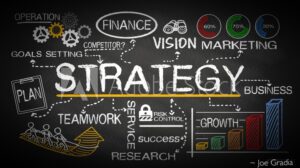
Are you playing to win or lose 😎

Share this post:

Winning and losing can vary greatly depending on the context, but here are some general principles:

To Win:

Set Clear Goals: Define what winning means in a particular situation. Having clear objectives is crucial.
Plan and Prepare: Develop a strategy or plan to achieve your goals. Preparation is often the key to success.
Work Hard: Put in the effort and commitment needed to reach your goals. Consistent hard work can lead to success.
Learn and Adapt: Be open to learning from both successes and failures. Adapt your approach based on what works and what doesn’t.
Stay Persistent: Don’t give up easily. Persistence and determination can help you overcome obstacles.
Seek Support: Don’t hesitate to seek help or collaborate with others who can contribute to your success.
To Avoid Losing:

Learn from Failure: Treat losses as opportunities to learn and improve. Analyze what went wrong and how you can do better next time.
Stay Resilient: Develop mental resilience to bounce back from setbacks and losses.
Keep a Positive Mindset: Maintain a positive attitude, even when faced with challenges. A positive mindset can help you persevere.
Embrace Change: Be adaptable and willing to change your approach if necessary.
Set Realistic Expectations: Sometimes, what appears as a loss may simply be a result of setting unrealistic goals. Be realistic in your expectations.
Seek Feedback: Get feedback from others to gain different perspectives and insights into your performance.
Remember that winning and losing are part of life’s experiences, and both can provide valuable lessons and opportunities for growth. The key is to approach them with a constructive and open-minded mindset.

Share this post:

Do you STAND out in a CROWDπŸ€”

Share this post:

#standingtall By Joe Gradia

Standing out in a crowd can be achieved by being confident, authentic, and memorable. Here are some tips:

Dress uniquely: Wear clothing that reflects your personal style and makes you feel confident. Don’t be afraid to express yourself through fashion.
Be confident: Carry yourself with confidence and good posture. Maintain eye contact and speak clearly when interacting with others.
Develop your skills: Become exceptionally good at something you’re passionate about, whether it’s a talent, hobby, or profession. Expertise can make you stand out.
Be positive and approachable: Maintain a positive attitude and smile. People are drawn to those who radiate positivity.
Network and socialize: Attend events, join groups, and connect with people who share your interests. Building a strong social network can help you stand out.
Volunteer and give back: Get involved in community service or charitable activities. This demonstrates your values and can make a positive impression.
Embrace your uniqueness: Don’t try to fit in or conform to others’ expectations. Embrace your quirks and individuality.
Speak up and share ideas: Don’t be afraid to voice your opinions and ideas. Thoughtful contributions can make you memorable in group settings.
Listen actively: Show genuine interest in others by listening actively and engaging in meaningful conversations.
Set goals and pursue them: Having clear goals and working toward them can make you more focused and determined, which can be attractive to others.
Remember, standing out doesn’t mean being the loudest or most eccentric person in the room. It’s about being genuine, confident, and leaving a positive impression on others

Share this post:

What kind of fuel ⛽️ are you using today πŸ€”

Share this post:

#Youarewhatyoueat By Joe Gradia

The food we eat is critically important for our overall health and well-being. Here are some key reasons why food is important:

Nutrition: Food provides essential nutrients, vitamins, minerals, and macronutrients (carbohydrates, proteins, and fats) that our bodies need to function properly. A balanced diet ensures we get the right mix of these nutrients.
Energy: Food is our primary source of energy. The calories we consume from food are used to fuel our daily activities, from basic bodily functions to physical exercise.
Growth and development: Proper nutrition is vital for children’s growth and development, including physical, cognitive, and emotional aspects.
Immune system: A healthy diet supports a strong immune system, helping our bodies defend against infections and diseases.
Mental health: Nutrient-rich foods can positively impact our mental health, mood, and cognitive function. Poor nutrition is linked to conditions like depression and anxiety.
Weight management: The type and quantity of food we consume play a significant role in maintaining a healthy weight. A balanced diet can help prevent obesity and related health issues.
Disease prevention: A nutritious diet can reduce the risk of chronic diseases like heart disease, diabetes, and certain cancers.
Digestive health: Fiber-rich foods support a healthy digestive system by preventing constipation and promoting gut health.
Longevity: Eating a well-balanced diet can contribute to a longer and healthier life.
It’s essential to pay attention to the quality of the food you consume, opting for whole, unprocessed foods whenever possible and maintaining a balanced diet. Your dietary choices have a profound impact on your health and can significantly influence your overall quality of life.

Share this post:

Are you maximizing on your DAY πŸ’«

Share this post:

#maxamize By Joe Gradia
To maximize your day, consider implementing these strategies:

Prioritize tasks: Create a to-do list and prioritize tasks based on importance and urgency.
Set clear goals: Define specific, achievable goals for the day to stay focused and motivated.
Time management: Use techniques like the Pomodoro Technique or time blocking to manage your time effectively.
Minimize distractions: Identify and eliminate or minimize distractions such as social media, excessive notifications, and unnecessary meetings.
Break tasks into smaller steps: Divide complex tasks into smaller, manageable steps to make progress more achievable.
Delegate when possible: If you have tasks that can be delegated, do so to free up your time for higher-priority activities.
Maintain a routine: Establish a daily routine that includes time for work, rest, exercise, and personal development.
Stay organized: Keep your workspace and digital files organized to reduce wasted time searching for things.
Take breaks: Regular short breaks can help maintain focus and prevent burnout.
Learn to say no: Don’t overcommit; say no to tasks or requests that don’t align with your goals or availability.
Learn continuously: Invest time in learning new skills or improving existing ones to increase your productivity over the long term.
Reflect and adjust: At the end of the day or week, evaluate your progress, adjust your strategies, and plan for the next day.
Remember that maximizing your day is not about doing more tasks but about accomplishing what truly matters to you efficiently and effectively. Adjust these strategies to fit your unique goals and circumstances.

Share this post:

What do you πŸ‘€ see πŸ€”

Share this post:

#whatdoyousee By Joe Gradia

Everyone personal perspective on life is shaped by their experiences, beliefs, values, and individual circumstances. This diversity in viewpoints is what makes life so interesting and complex

Share this post: